Graphs.

Welcome to another AI by Aakash. I follow the AI news so you don’t have to. We were literally talking about Loops as “the new prompts” two weeks ago. Then Peter Steinberger went and mentioned another “new thing” - Graphs.
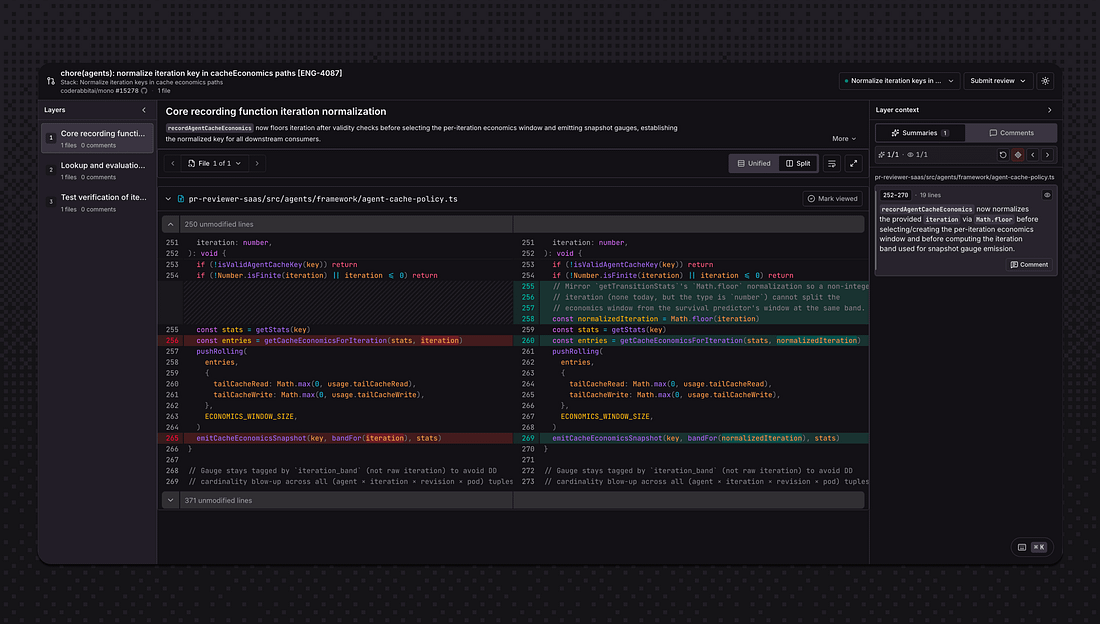
So do we all need to learn graphs now? That is today’s deep dive. But first, a word from our sponsor, and the week’s news. In Partnership withCodeRabbit’s Change Stack: Built for how reviews actually workAI writes more code today than it ever has. Reviewing it shouldn’t mean scrolling through 40 files in alphabetical order. CodeRabbit’s Change Stack organizes any pull request from a flat file to a structured overview. It reads the changes logically and then gives each range its own simple summary along with sequence diagrams, state machines, and ERDs wherever needed. Cohorts group similar files to review one idea at a time. Layers order the elements so foundational changes come first. Code Peek allows you view definitional and usage seamlessly and Semantic Diff view cuts across formatting noise to show the actual changes. Reviews and approvals then post to GitHub or GitLab.
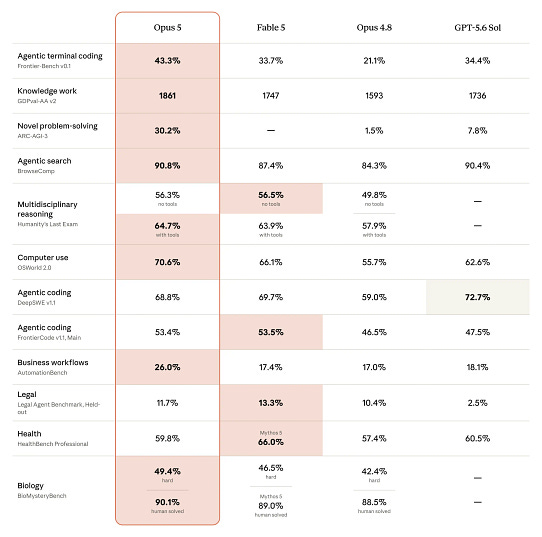
CodeRabbit’s Change Stack is free during early access. It’s from the team that pioneered AI code reviews - 2M PRs reviewed weekly, 6M repositories installed, and 15,000+ customers. Try CodeRabbit on your next PR today → This Week’s AI NewsTop News This Week - Claude Opus 5Model releases never stop. This week it was Anthropic’s Claude Opus 5 . It gets close to the intelligence of Fable 5, their most powerful model, at half the price ($10 input, $50 output / M token vs $5/$25). The benchmarks are genuinely impressive, even above Fable in places:
I’ve been testing it every day since it came out. Here’s where my vibe checks land: I think it’s a distilled version of Fable. It reminds me of Chinese models that benchmark well, but don’t do that well in vibe checks. I don’t think it deserves the Opus name. It’s not that good. Yet, I still use it a lot! That’s because Fable is limited to 50% of my usage in the Max plan and costs 2x as much in overage. My most common usage pattern is to use a Claude Code Fable orchestrator agent spin up Sonnet 5 and Opus 5 sub-agents in workflows as needed. The Other News That Mattered
Tools
Funding
Deep DiveComplete Guide: GraphsGraphs are all the hype on X right now after Peter from OpenAI talked about it. Beyond the hype, Graph Engineering is a very powerful system to build multi-agent systems that already existed. Let me explain it to you in the simplest terms.
I’ve broken today’s deep dive into three pieces:
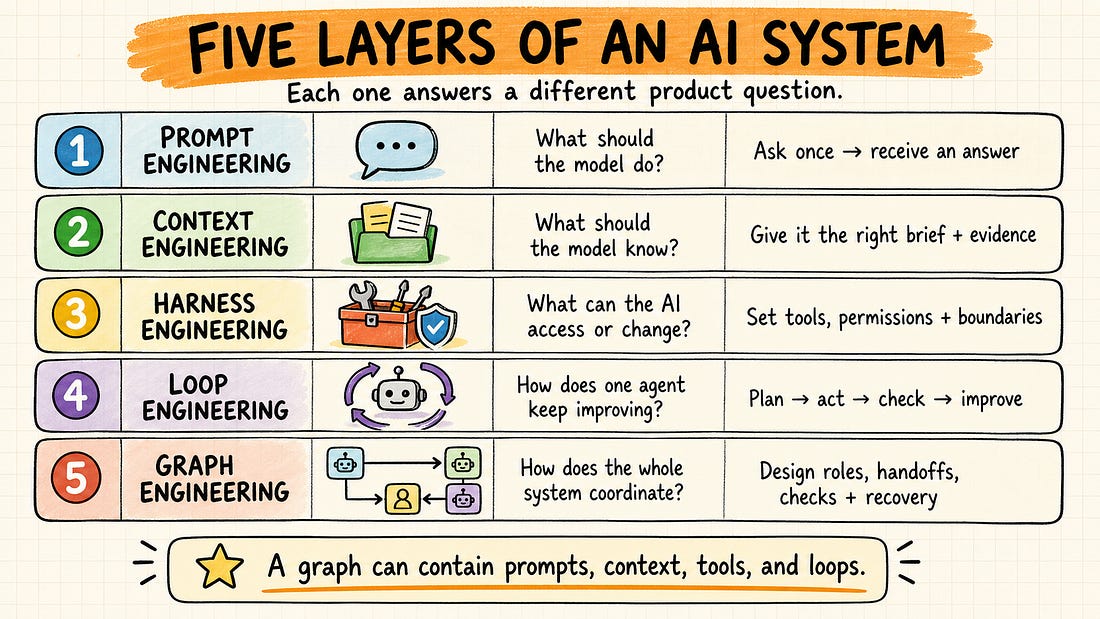
1. What is a Graph and how did we get here?You can think of the 5 hype cycles we’ve seen the last 3 years as actually building upon eachother:
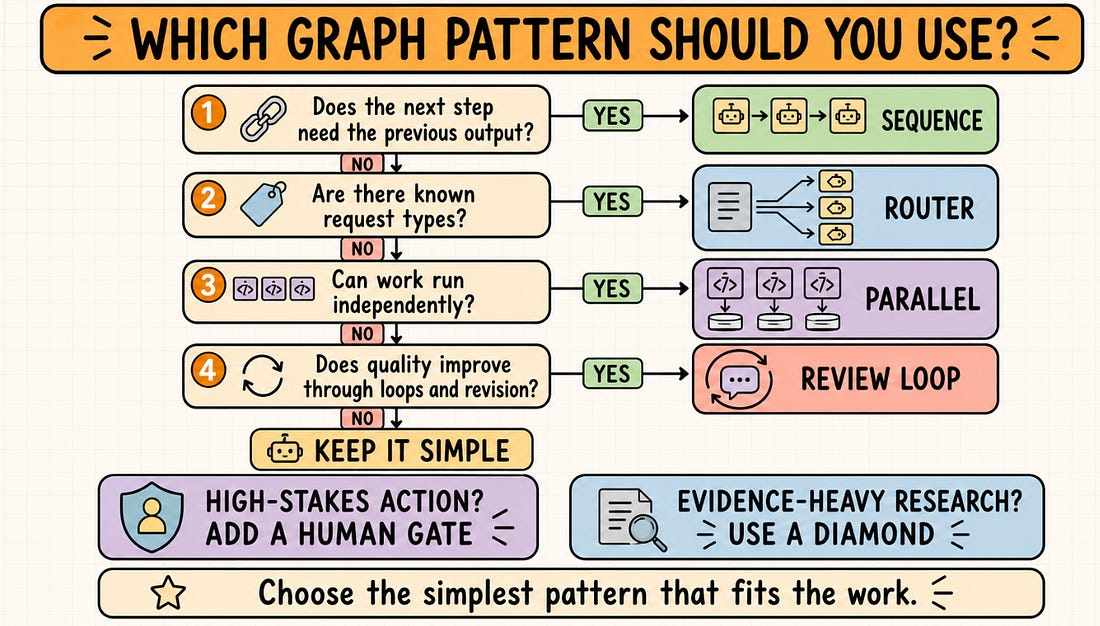
Most people still use AI like a single employee. You ask a question, the model thinks and responds. For simple tasks that’s enough, but real work is rarely that straightforward. In a graph: Each node performs one specific responsibility: one researches, another validates, another writes, another decides which path to take next. Every node has its own independent output. The connections between nodes are the graph. They define how information flows through the system. Graphs have always existed. They are just a better way of designing systems. Instead of asking one AI to do everything, you’re building a coordinated team where every member has a clear responsibility. 2. Graph Patterns for your agents and when to use themSo how should you design a system? The key is to pattern match. There’s tons of types of graphs:
You want to pattern match when to use which. The flowchart looks like this:
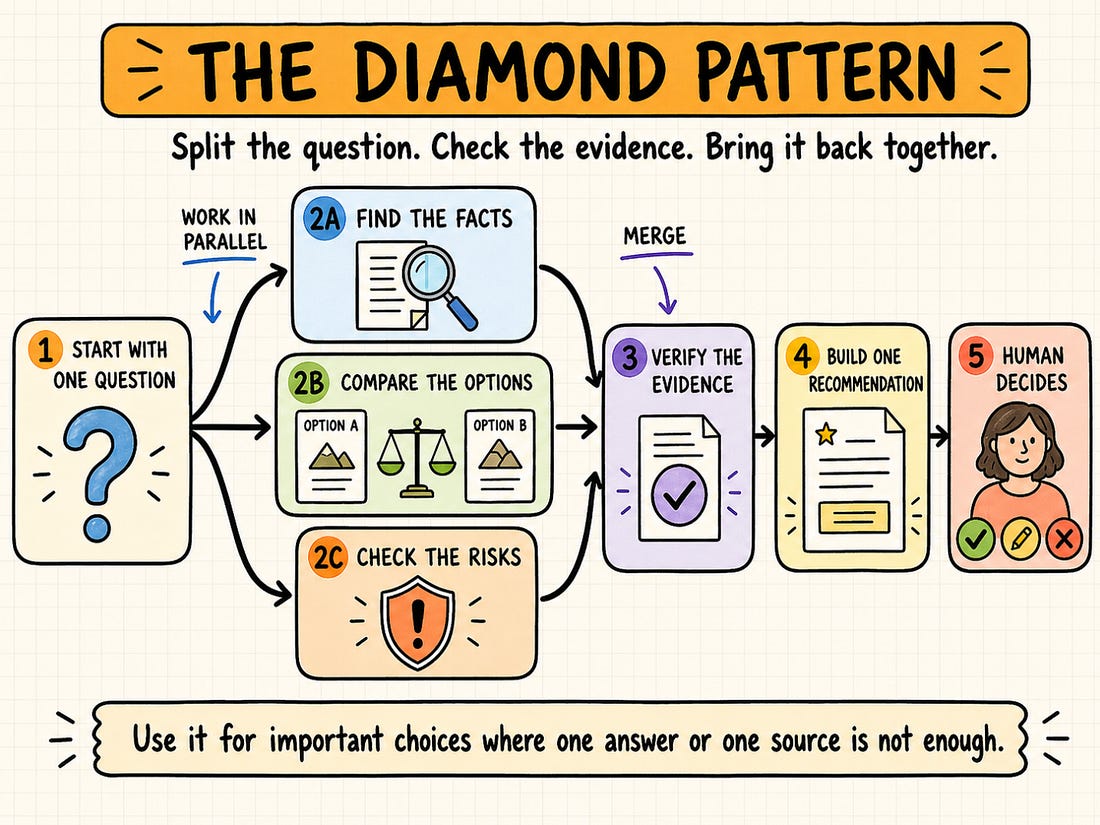
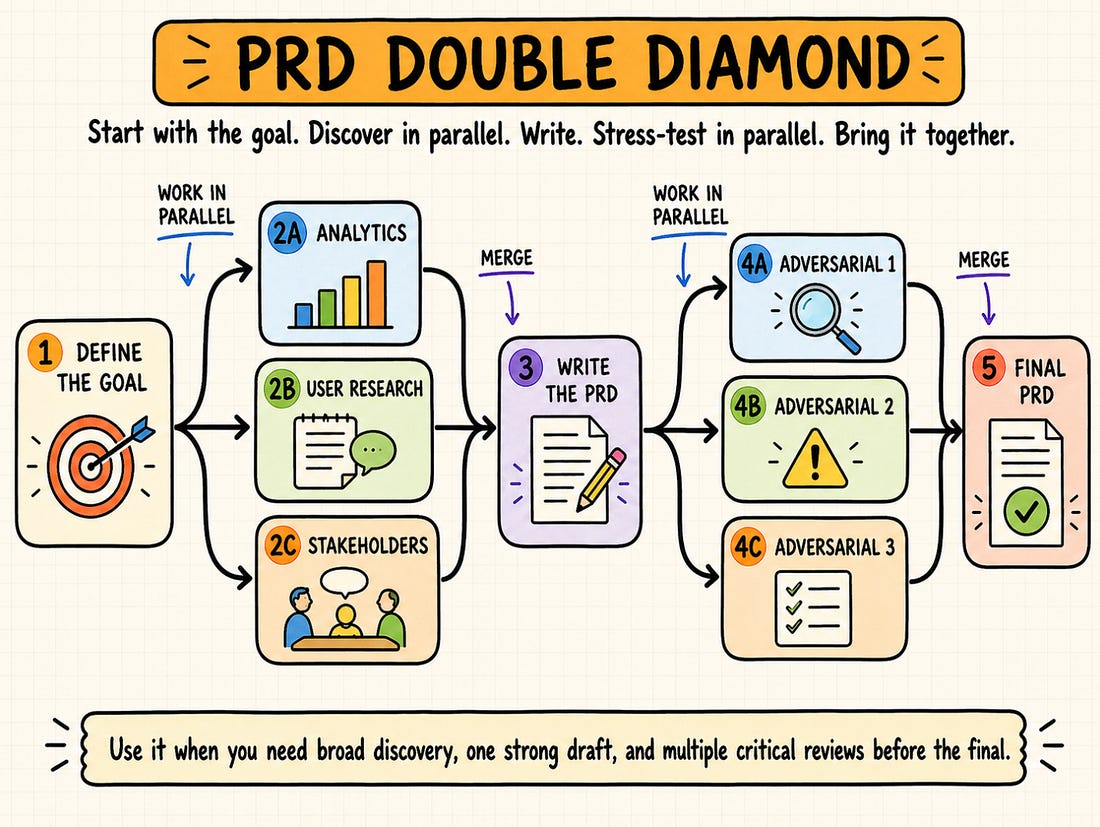
Most are exactly like they sound, with the exception of a diamond. But you’ll get it as soon as you look at the visual:
You essentially have one step with parallel agents. Once all the evidence has been verified and gathered, you bring it back to sequential. The point is: don’t just rely on sequential. Parallelize where it makes sense. Loop where that does. It’s that simple. 3. Graph construction in practiceNow let’s see what this looks like in practice. The easiest way to use Graphs is to build them with Claude Code workflows. It will even do the work of selecting the right pattern for you. Start with a prompt like this: I want to build a PRD on a catch up module in the instagram feed. The keys to this prompt are:
Then you can see it will go and build the prompts and do deep work, setting up parallel workflows where possible. You can use /workflows to manage your graphs:
We basically defined a double diamond graph:
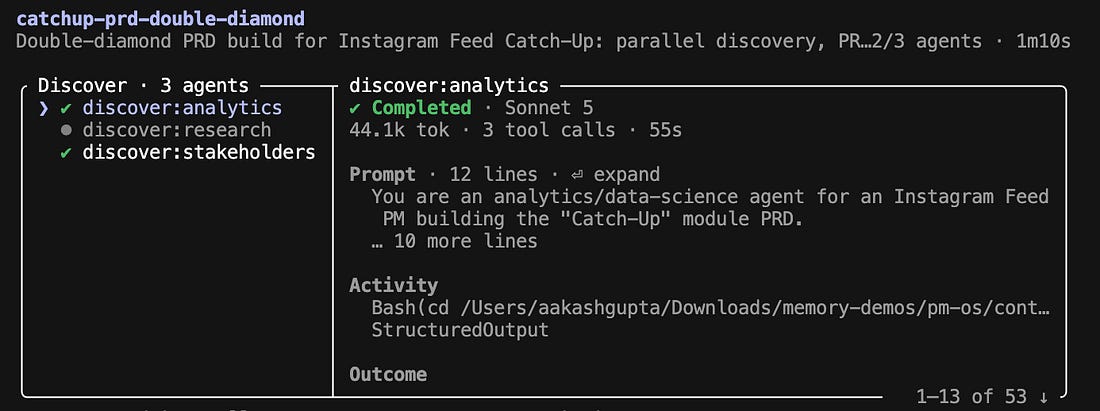
You can then monitor specific agents as they work. For instance, here’s the discover analytics agent:
Eventually, you get an output that is the result of many agents working for you, instead of a single agent.
If you’ve been reading lots of my content, we’ve been building graphs for a while. Now, you have a name for it. Want to go deeper? I have a deep dive coming out in Product Growth soon. Me Around the Web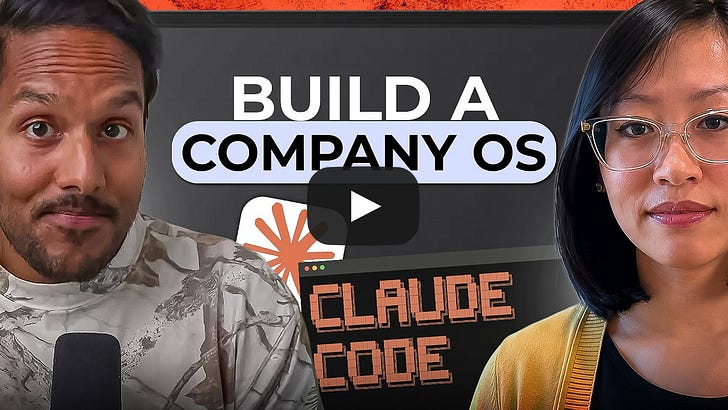
That’s all for today. See you next week, Aakash P.S. Want my AI tool stack? Join my bundle. Want my job search coaching? Apply to my cohort. Next one starts in August. AI by Aakash is free today. But if you enjoyed this post, you can tell AI by Aakash that their writing is valuable by pledging a future subscription. You won't be charged unless they enable payments.
|






Comments
Post a Comment
VHAVENDA IT SOLUTIONS AND SERVICES WOULD LIKE TO HEAR FROM YOU🫵🏼🫵🏼🫵🏼🫵🏼