Hassabis Bet His Job on AGI by 2030. Here Is What He Knows.

Hassabis Bet His Job on AGI by 2030. Here Is What He Knows.A WCIT lecture with Sir Demis Hassabis and Dame Wendy Hall turned into the clearest AGI timeline, risk map, and UK strategy briefing of the year, and almost nobody clipped the parts that matter.
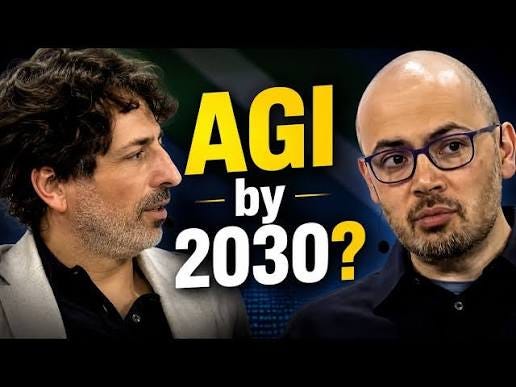
Demis Hassabis just put a number on AGI: 2030, at roughly 50% odds. A coin flip, 4 years out, from the man who ran DeepMind for 15 years, picked up a Nobel Prize for AlphaFold, and just stepped back from the CEO seat to work on exactly this: he is now Chair of Google DeepMind and Chief Scientist of Alphabet, with AGI strategy as the day job.
Take the number seriously and it changes how you build this year, not in 5. Sitting across from him: Dame Wendy Hall, who has spent 4 decades watching the UK win early and lose late, and pushes him hardest exactly where it counts. I watched the full 81-minute WCIT interview so you can skip it. Here are the 10 takeaways that matter. together with Alumni Ventures: Hassabis just put 50% odds on AGI by 2030. If he is right, the companies building toward it are being priced this year, and access is the whole game.
▫️ Curated deal flow of AI-first startups ▫️ AV invests alongside the lead firms in these deals ▫️ No cost to see deals, zero obligation to invest 1. Invert the classroom, or watch AI do your homework for youHassabis wants to rebuild the school day around AI, over bolting AI onto the one we already have.
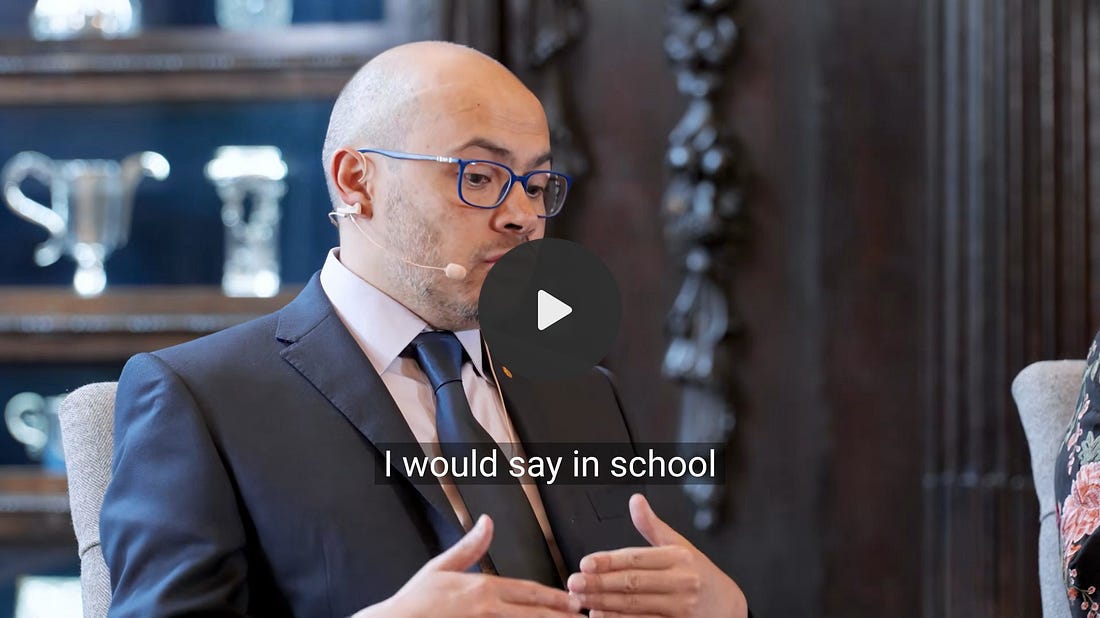
AI absorbs the rote learning, tailored to each student’s exact pace. Class time rebuilds around human contact: projects, group work, Oxbridge-style supervisions for everyone instead of just the elite. Star lecturers record the core content once, instead of thousands of teachers rebuilding the same slide deck. This is a full reversal of what school buildings are for, over a scheduling tweak. Wendy Hall pushed back on the obvious gap: home-based rote learning assumes every kid has a quiet room and a device, and plenty have neither. The read for builders: edtech that treats AI as a tutor bolt-on is building the wrong product. The bigger opportunity is infrastructure that lets schools restructure time itself, the same platform-over-feature logic that separates lasting products from wrappers. 2. AGI around 2030, and what Hassabis actually means by itEveryone throws the term around. Hassabis hands you a definition and a date.
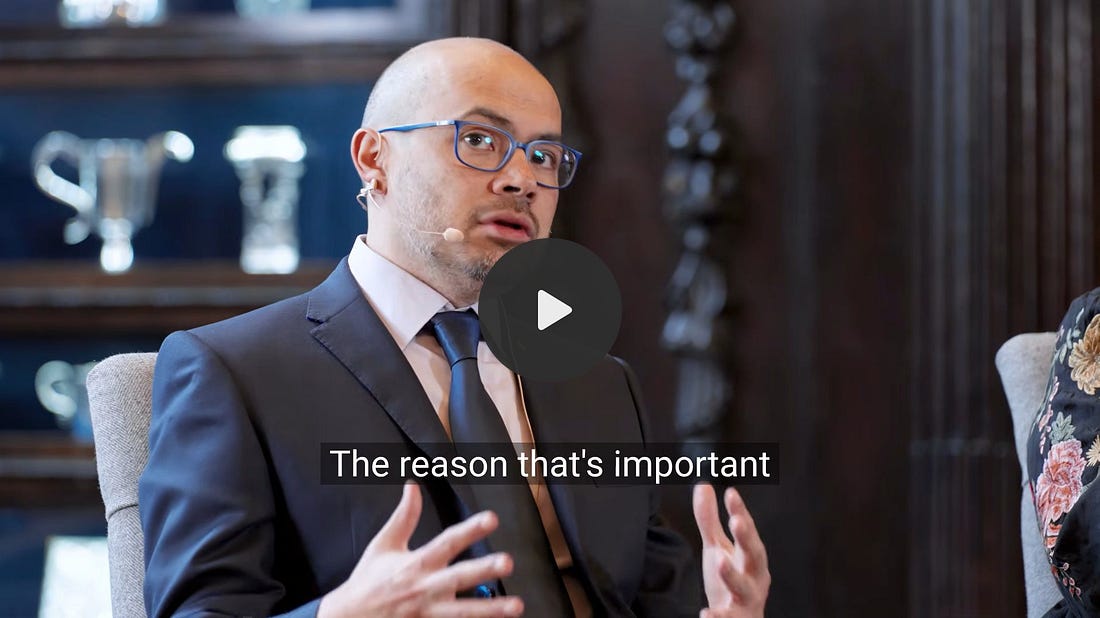
His reference point is the human brain, over a benchmark score: AGI means matching the full range of human cognitive capability. Today’s systems are impressive and inconsistent, so they miss the bar. Scale alone may never close the gap, and he still expects 1 or 2 breakthroughs on the order of transformers or the reinforcement learning behind AlphaGo. He sharpens the number elsewhere in the talk: 50% odds on 2030, with honest error bars. Hall rejects the framing and the timeline on stage, which is worth respecting too. Build your 5-year roadmap around the range, over the headline number. If the low end is right, your competitive window already closed, which is exactly why the next model generation should shape your plan more than the current one. Planning around that range, start here: ▫️ What moves the needle with Claude: the leverage kit ▫️ Hassabis at MIT in 2019: the self-learning systems lecture, decoded ▫️ What top VCs look for in 2026 3. Move 37 changed everything, then triggered AlphaFoldOne move in a board game convinced Hassabis that AI could make genuine scientific discoveries.
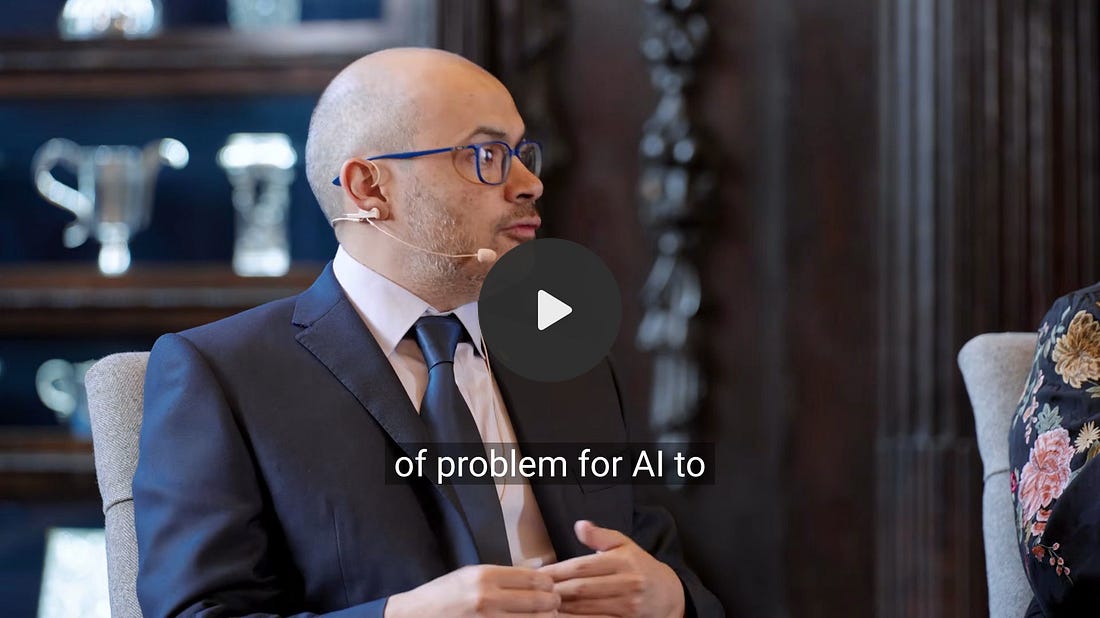
He had carried the protein-folding idea for close to 2 decades, since his Cambridge undergraduate days. What he needed was proof that a system could produce something genuinely novel, over merely optimized. Move 37 was that proof, inside a board game. He flew home from the AlphaGo match in Seoul and greenlit AlphaFold within days. The gap between a system performing well and a system discovering something new is the threshold to watch, and the signal usually shows up somewhere unrelated to your industry first. That is the same discovery-loop logic now being industrialized by the teams automating research itself. Track capability proof points, over product launches. 4. The $7 billion number behind the DeepMind saleHassabis explains selling to Google with actual numbers, over vague industry talk.
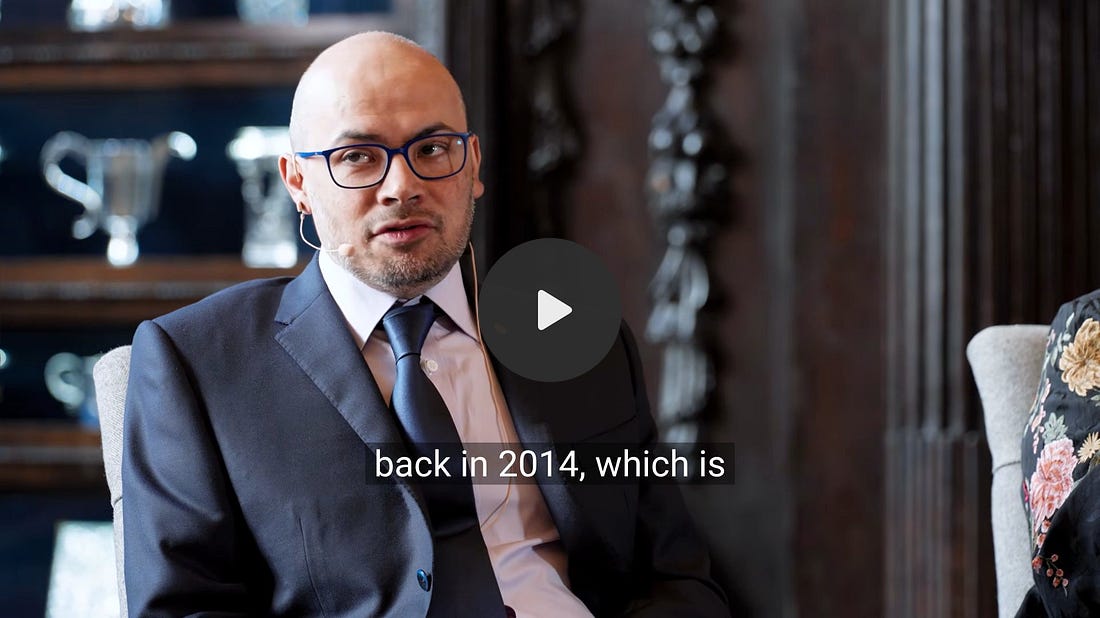
This was 2014. Zero OpenAI, zero AlphaGo, just Atari-playing agents most investors dismissed. He has put the counterfactual at $7 billion: the capital it would have taken to build a genuine competitor at scale, against rounds 10 to 20x smaller than that. Larry Page personally understood the bet when almost nobody else did. Meanwhile Silicon Valley noticed the talent: Hassabis paid himself nothing while researchers on roughly £100K salaries fielded $10 million offers. He calls it a timing problem, since SoftBank-scale mega-rounds arrived roughly a year too late for him.
If your category is about to attract mega-round capital, the founders who survive the gap year are the ones who structure the raise for patience, model the dilution math honestly, and know how the fund across the table actually makes money. 5. The Full Stack Of AGI Risk (It Is Not Just One Problem)Ask Hassabis what worries him and he hands you a stack of risks, not one scary scenario.
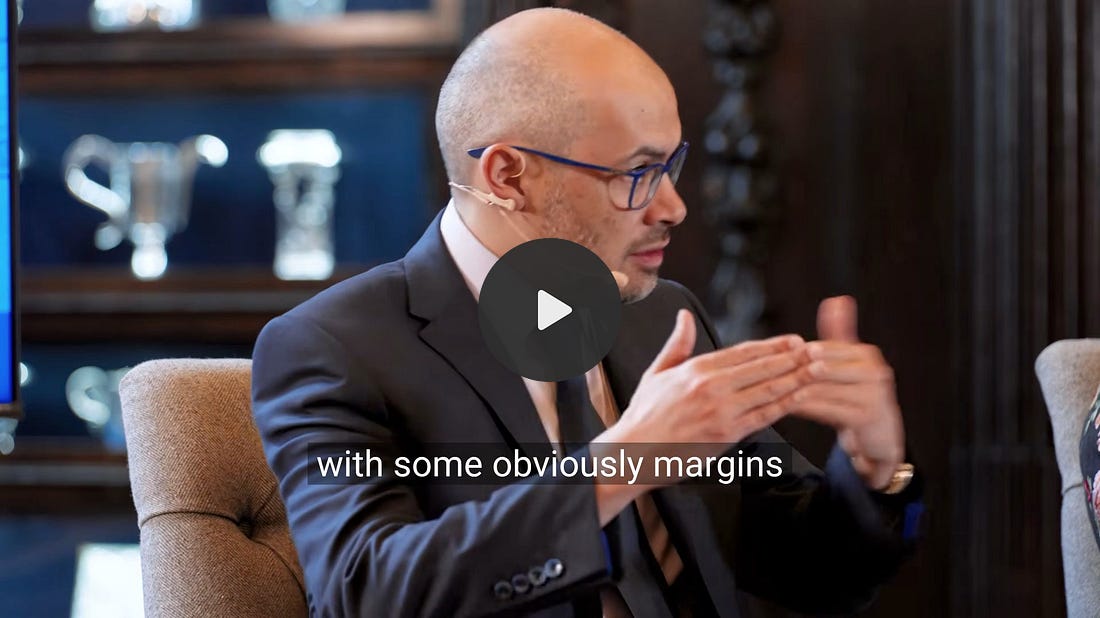
Misuse sits first: rogue actors turning general-purpose tools toward harm, including tools built for medicine. Technical alignment comes second: keeping increasingly autonomous systems inside the guardrails you set. Economic concentration is third: broad benefit versus a handful of companies capturing it. Meaning is the last and hardest: purpose, once machines absorb the work humans defined themselves by. His sharpest institutional point: nothing currently exists that can govern all 4 layers at once, at the most fragmented geopolitical moment in 30 years. If your AI risk framework covers one layer, it is incomplete. Investors underwriting frontier labs should ask which layer a team is weakest on, over which one gets the press coverage, the same discipline behind a serious security checklist. 6. Why Big Tech actually wants guardrailsHassabis complicates the convenient story of labs racing ahead while regulators chase.
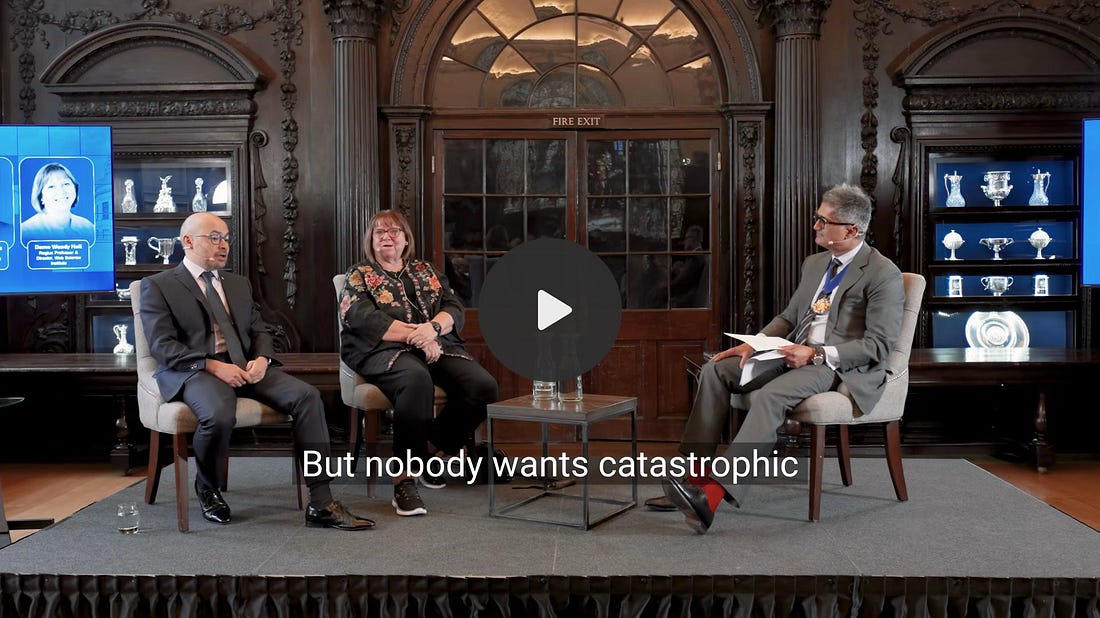
He knows the other lab leaders personally, back to postdoc years alongside people like Dario Amodei, and his read is that none of them wants a catastrophe attached to their name. The blocker is game theory, over intent: even safety-minded leaders face a prisoner’s dilemma, because someone always holds an incentive to defect from an agreed standard to win share. That is his actual argument for external governance. Labs are coordination-trapped, over villainous, and good individual incentives fail to add up to good collective outcomes without a referee. Proposals are already moving with major governments. Build your governance thesis around coordination problems, over villain narratives. That framing predicts which policy interventions actually work, and it is the version serious diligence already prices. 7. No bank wants an AI agent losing a billion dollarsHassabis thinks the market enforces AI safety faster than regulation, once enterprise money is on the line.
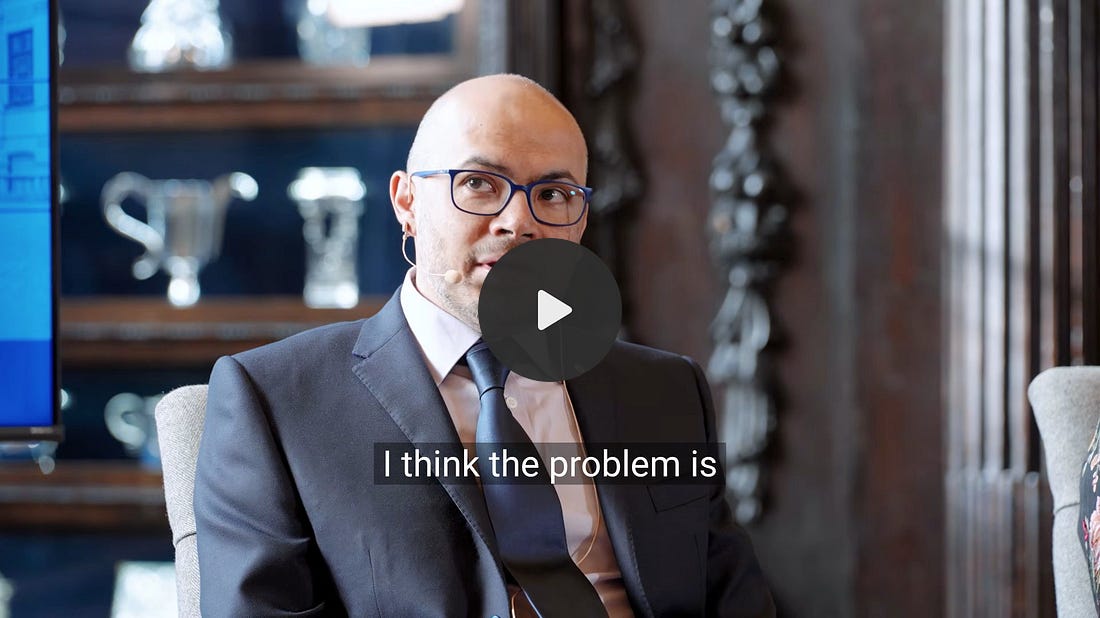
Financial institutions will demand hard guarantees around agent behavior and data handling before deploying at scale. One expensive failure from a lab with weak guardrails teaches the whole market instantly, so enterprise trust rewards responsible labs and reckless ones fund the object lesson. His caveat: the mechanism only works if buyers price in guardrails before a failure, over after one. If you sell agents into finance, healthcare, or any regulated vertical, your guardrail documentation just became a sales asset, over a compliance afterthought. Buyers are about to start asking. The builder’s stack for exactly that: ▫️ Ship your first AI agent in a day ▫️ Give your agent its own computer: the sandbox playbook ▫️ The Self-Evolving Agent Stack 8. Watts to dollars to tokens: the formula that explains the whole industryHassabis compresses the entire AI infrastructure argument into 3 words.
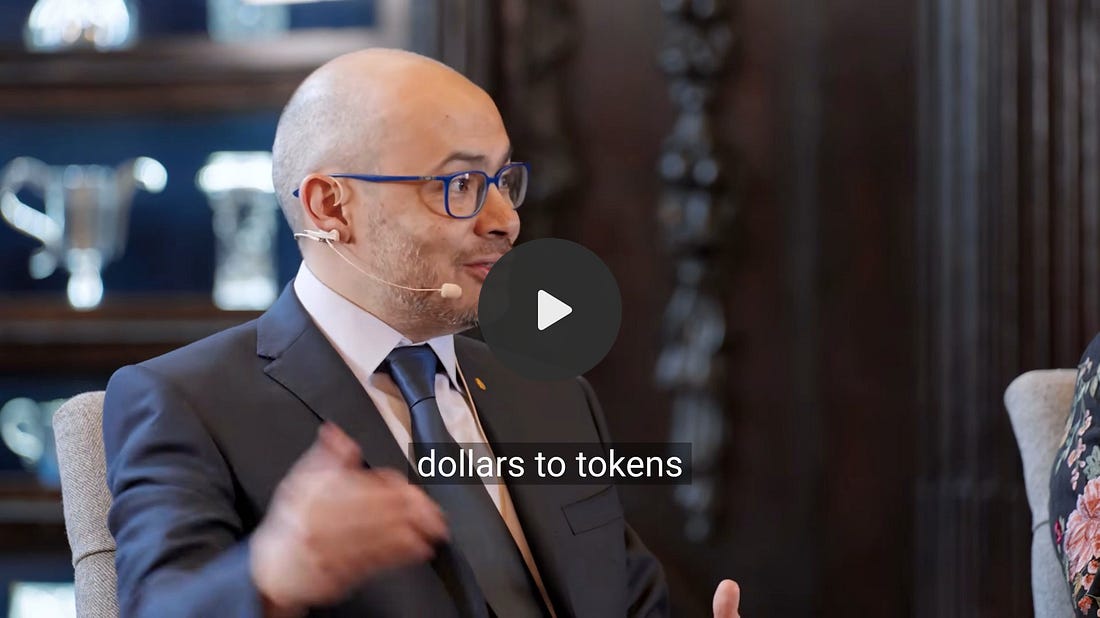
Energy cost converts directly into intelligence cost. The UK carries some of the most expensive energy in the Western world, which caps how much inference it can afford to run, and he frames data centers as the new industrial base the way factories were a century ago. The country that solves cheap, abundant power solves its position in the AI economy. This lands on your P&L before it lands in any headline. Model inference against your local energy market, over just your API pricing, then attack the line item directly: ▫️ You are overpaying for intelligence: the model router ▫️ The token-cost optimization playbook ▫️ The AI inference engineering playbook ▫️ How to never hit Claude limits: the token system 9. Root node problems: why protein folding was the first targetHassabis picked protein folding for what solving it would unlock.
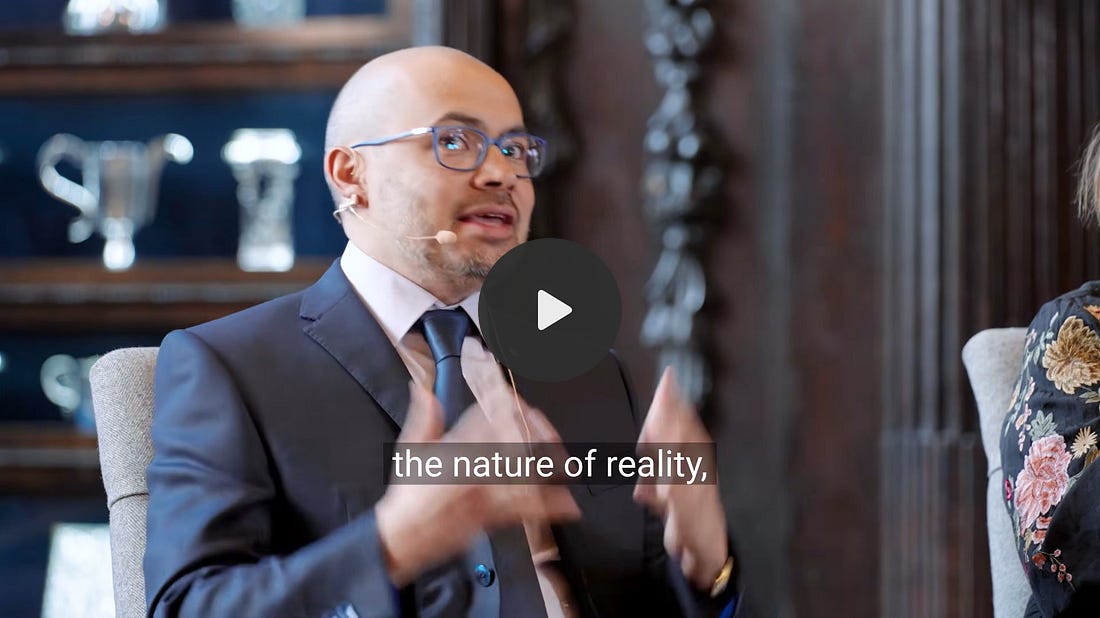
He met the problem as a Cambridge undergraduate, listening to biologist friends who talked about it constantly, a listening habit he calls deliberate. It sat unsolved for 50 years. He filed it away for roughly 15, waiting for the technology and the proof point to catch up, and 3 million researchers now use AlphaFold. A root node problem, solved once, compounds across an entire field. A leaf node ships a feature.
Before picking your next problem, run the root-or-leaf test, then steal from the 100 agent ideas ranked by exactly this and the category-creation story behind Replit’s seed. 10. The UK Can Build Unicorns. It Cannot Yet Build Giants.Britain wins the first stage of company building, and Hassabis says the second stage is where it falls apart.
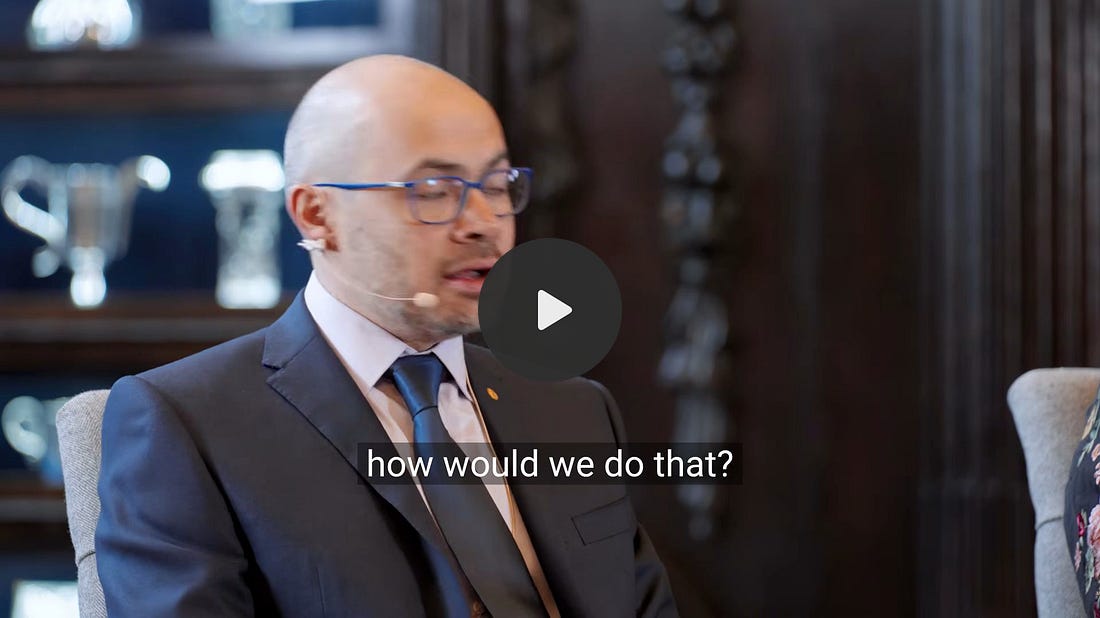
DeepMind stayed in London by choice and seeded a wave: over 10% of Q1 UK AI venture funding traced back to former DeepMind staff, per HSBC Innovation Banking at the event. Talent and founding conditions, proven. What is missing is growth-stage capital and a functioning path to public markets, and Hassabis says plainly he cannot understand why companies stopped floating in London. Energy costs and listing incentives are his 2 named blockers between the UK’s unicorn factory and its first homegrown trillion-dollar company. If you are a UK AI company approaching Series C, treat the gap as fact over theory: plan the growth round assuming you look beyond the UK even if you stay headquartered there, map the check-writers early, and walk in with a valuation story and a 13-week cash position that survive diligence. The Hassabis playbookAGI is close enough that the institutions meant to manage it, in education, finance, and government, have to start moving now, over after it arrives. ▫️ Founders: model energy and compute as a hard line item, write the guardrail documentation before an enterprise buyer asks, and run the root-node test on your roadmap this week. ▫️ Investors: the market-correction thesis only works if you price responsible behavior before a failure forces you to. The UK growth-stage gap is genuine, and genuine gaps are opportunities. Underwrite guardrails as seriously as growth metrics. ▫️ Operators: the classroom-inversion pattern is coming for corporate training too. Pilot one AI-assisted, judgment-heavy workflow before your competitors do, starting from the one-person operating system. ▫️ Everyone else: watts-to-dollars-to-tokens applies to you even if you never touch a model. Ask your AI vendors where their compute actually runs. The 5 principles to steal
The future is unwritten. Someone is going to write it anyway. Better you than the person who waited. If this breakdown saved you 81 minutes, send it to one founder or investor who needs it. Keep readingBuild for the timeline▫️ Ship your first AI agent in a day ▫️ The Self-Evolving Agent Stack Control the cost curve▫️ You are overpaying for intelligence ▫️ The token-cost optimization playbook ▫️ The AI inference engineering playbook Raise like it is 2026▫️ What top VCs look for in 2026 ▫️ The self-improving fundraising system ▫️ The investor lists: 10,000+ check-writers Full lecture: 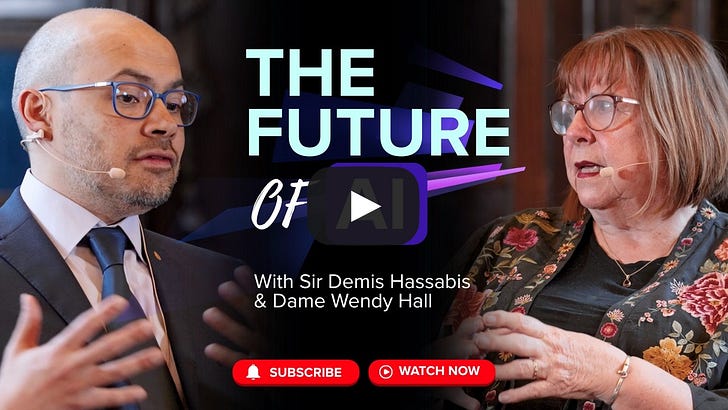
You're currently a free subscriber to The AI Corner. For the full experience, upgrade your subscription.
|




Comments
Post a Comment
VHAVENDA IT SOLUTIONS AND SERVICES WOULD LIKE TO HEAR FROM YOU🫵🏼🫵🏼🫵🏼🫵🏼