The Pulse: Amazon layoffs – AI or economy to blame?Amazon is doing more mass layoffs, claiming it wants to be more nimble. But are job losses really about US economic fears, and how Amazon’s retail business will be affected?
Hi, this is Gergely with a bonus, free issue of the Pragmatic Engineer Newsletter. In every issue, I cover Big Tech and startups through the lens of senior engineers and engineering leaders. Today, we cover one out of four topics from last week’s The Pulse issue. Full subscribers received the below article seven days ago. To get articles like this in your inbox, every week, subscribe here. Many subscribers expense this newsletter to their learning and development budget. If you have such a budget, here’s an email you could send to your manager. Online retail giant Amazon unexpectedly announced 14,000 job cuts earlier last week. The massive round of layoffs at the company follows other mass redundancies in recent years:
Software engineers, unfortunately, seem hit hard by the latest layoffs: of 2,300 employees laid off in Washington State, 25% are software engineers, GeekWire reports. We can only speculate about the ratio across the rest of the company, but if cuts at HQ are heavy on engineering, then things don’t look promising for other locations, sadly. The memo from Beth Galetti, Senior Vice President of People Experience and Technology, to workers didn’t explain much:
The statement is utterly confusing, as encapsulated by its message that “business is great, but we need to do layoffs”. Job cuts usually mean a business is in trouble, which obviously isn’t the case for Amazon. So, why are these layoffs really happening? Layoffs to boost efficiency?The company’s memo states:
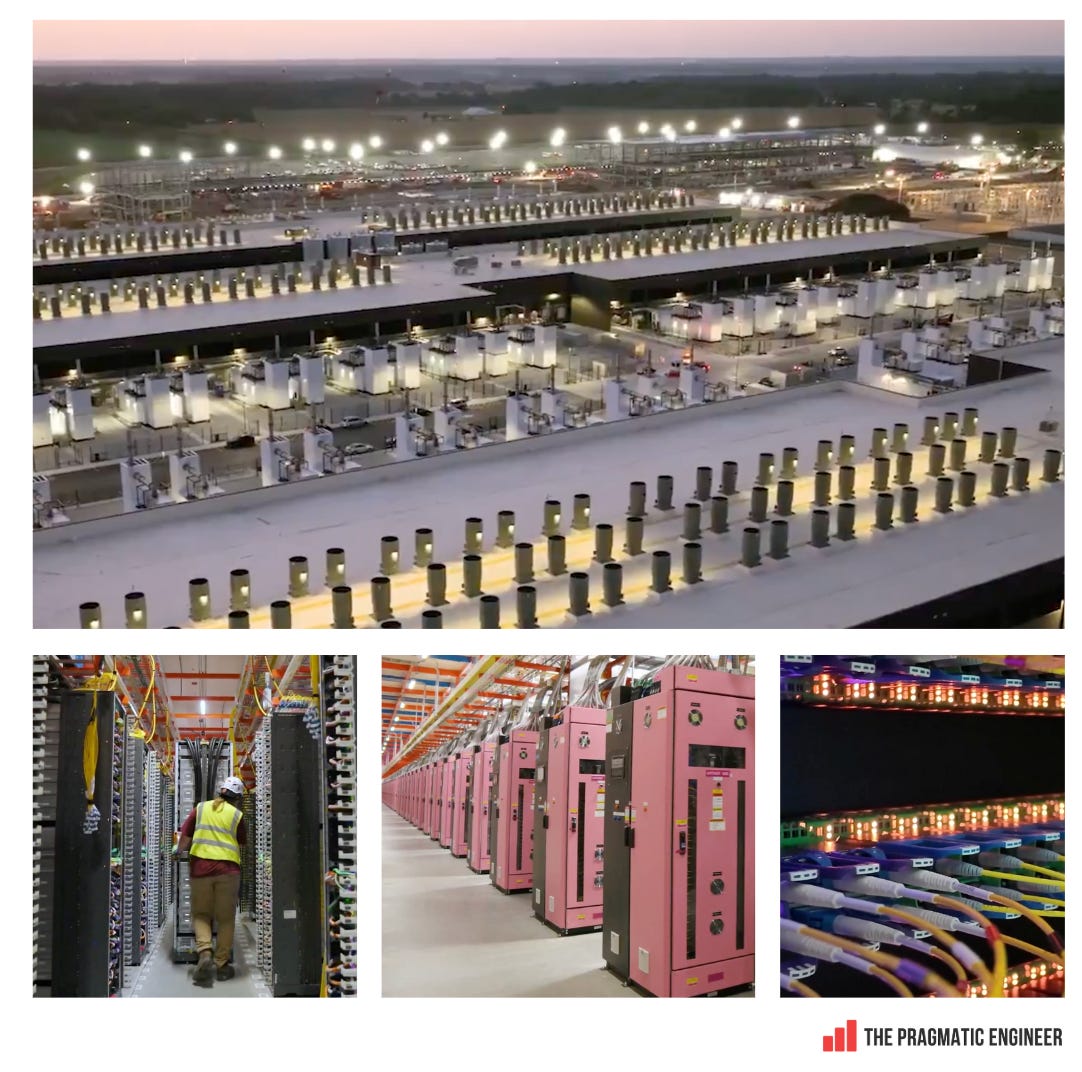
If this line of reasoning sounds familiar, it’s because most of the layoffs in 2023 were justified the same way. The tech industry overhired during the pandemic in 2020-2021, making orgs more bloated and decision-making slower. In February 2023, I reported on the trend of fewer middle managers, with Meta the first Big Tech giant to reduce its management layers. In 2023, most of Big Tech followed this approach with layoffs or reorgs. Managers acquired more reports, and tech companies cut down the number of layers between the CEO and individual contributors. Given Amazon did other massive layoffs in 2023, it’s unlikely they missed the industrywide trend for fewer managers. While the current layoffs seem to be targeting managers quite a bit – from the Washington State layoffs, 20% of those let go are managers – there are still more ICs laid off than managers, overall. So, this official explanation doesn’t pass my personal “smell test”. Layoffs to buy more GPUs?The day after its jobs announcement, Amazon had more big news, this time about AI: it unveiled Project Rainer, the largest AI computing platform AWS has ever built. It already has 500,000 Trainium2 chips (built by Amazon), This capacity is already 70% larger than any AI computing platform in AWS’s history, and Anthropic is using all of it (!!) to train its next models. Below is an image of one of the several Project Rainer data centers packed with Amazon GPUs:
Building data centers is incredibly capital-intensive: Amazon has spent $11B on Project Rainer alone. Even though very profitable, Amazon might want to invest more cash than it currently has into building data centers. So, one reason for job cuts could be to reallocate financial resources from paying salaries and compensation towards building more data centers. Before doing the math, a couple of concepts are important to understand:
Let’s run Amazon’s numbers:
So, the savings from these layoffs wouldn’t even pay for half of Project Rainer ($11B in total), and Amazon could easily build 3x Project Rainers in the next year, without needing to dip into its savings! Of course, Amazon has its famous frugality principle, but this massive layoff of 14,000 people won’t make a big difference to how much it can invest in data centers; It can already spend much more, if it wants! Leanness and AI fail job cuts “smell test”It’s not only me who doesn’t buy the explanation that these layoffs are to streamline the company, or to redirect resources to AI. Arne Knudson worked at Amazon for nearly two decades, most recently as a software development manager (SDM), before leaving the company earlier this year. He shared his analysis, with some insider detail:
US economy to blame for Amazon layoffs?It’s safe to assume AWS as a business unit is doing just fine, as suggested by Project Rainer’s existence and the agenda for building data centers. But how is the e-commerce side of the business performing, and what’s its outlook? If one business should have its finger on the pulse of the US economy, it’s Amazon with its size and self-professed, relentless customer focus, providing a window into people’s spending habits across the country. Flashing lights on the dashboard of the national economy may signal tough times ahead in e-commerce, which could be a reason to start cutting costs early. There are concerning signs from other sectors about the US economy. Below is the CEO of the restaurant chain, Chipotle.
Chipotle is saying that everyone is eating out less, particularly 25-35 year olds, because of inflation. If people spend less on Chipotle because of rising prices, then they may also spend less in other areas of their lives for the same reason, including on Amazon. In the e-commerce supply chain, there’s evidence of this trend, which would mean delivery services like UPS have fewer parcels to deliver. Speaking of UPS, two days ago, it announced massive layoffs:
UPS’s revenue is down on last year, which suggests that there are, indeed, fewer deliveries (or lower value ones). As with the latest job cuts at Amazon, these drastic layoffs could be explained by a lot of things, most easily by UPS expecting reduced trade in the future. If US consumer spending is trending down, then the e-commerce sector will be among the first to feel this. It could explain why Amazon is making these layoffs now. It can also explain why Google, Meta, and Microsoft might not be seeing their businesses impacted: they’re not involved in retail like Amazon is, and the AI sector is very much booming. Among all of Big Tech, Amazon is best positioned to detect changes in US consumer spending. Google’s and Meta’s revenue is more dependent on advertising, and Microsoft’s more on enterprise spend. Like Amazon, Apple is well placed to feel market changes with its range of smartphones and watches, and other consumer tech. I believe Amazon is highly commercially rational, so it’s worth understanding the actual reason for its second major mass layoffs in just two years, following deep cuts in 2023. I’d put my money on this reason being the economy, and how Amazon probably expects customers to cut back their spending everywhere, including on Amazon. This was one out of the four topics covered in last week’s The Pulse. Read the full article. This week’s The Pulse additionally covers:
You’re on the free list for The Pragmatic Engineer. For the full experience, become a paying subscriber. Many readers expense this newsletter within their company’s training/learning/development budget. If you have such a budget, here’s an email you could send to your manager. This post is public, so feel free to share and forward it. If you enjoyed this post, you might enjoy my book, The Software Engineer's Guidebook. Here is what Tanya Reilly, senior principal engineer and author of The Staff Engineer's Path said about it:
|
The Pulse: Amazon layoffs – AI or economy to blame?




Posted by WE BRING YOU THE BEST!
 VHAVENDA I.T SOLUTIONS


0 Comments
VHAVENDA IT SOLUTIONS AND SERVICES WOULD LIKE TO HEAR FROM YOU🫵🏼🫵🏼🫵🏼🫵🏼